
 Home
Home Project
 Scientific data
 Communication
Animal carcasses, from problem to opportunity
16/04/2020
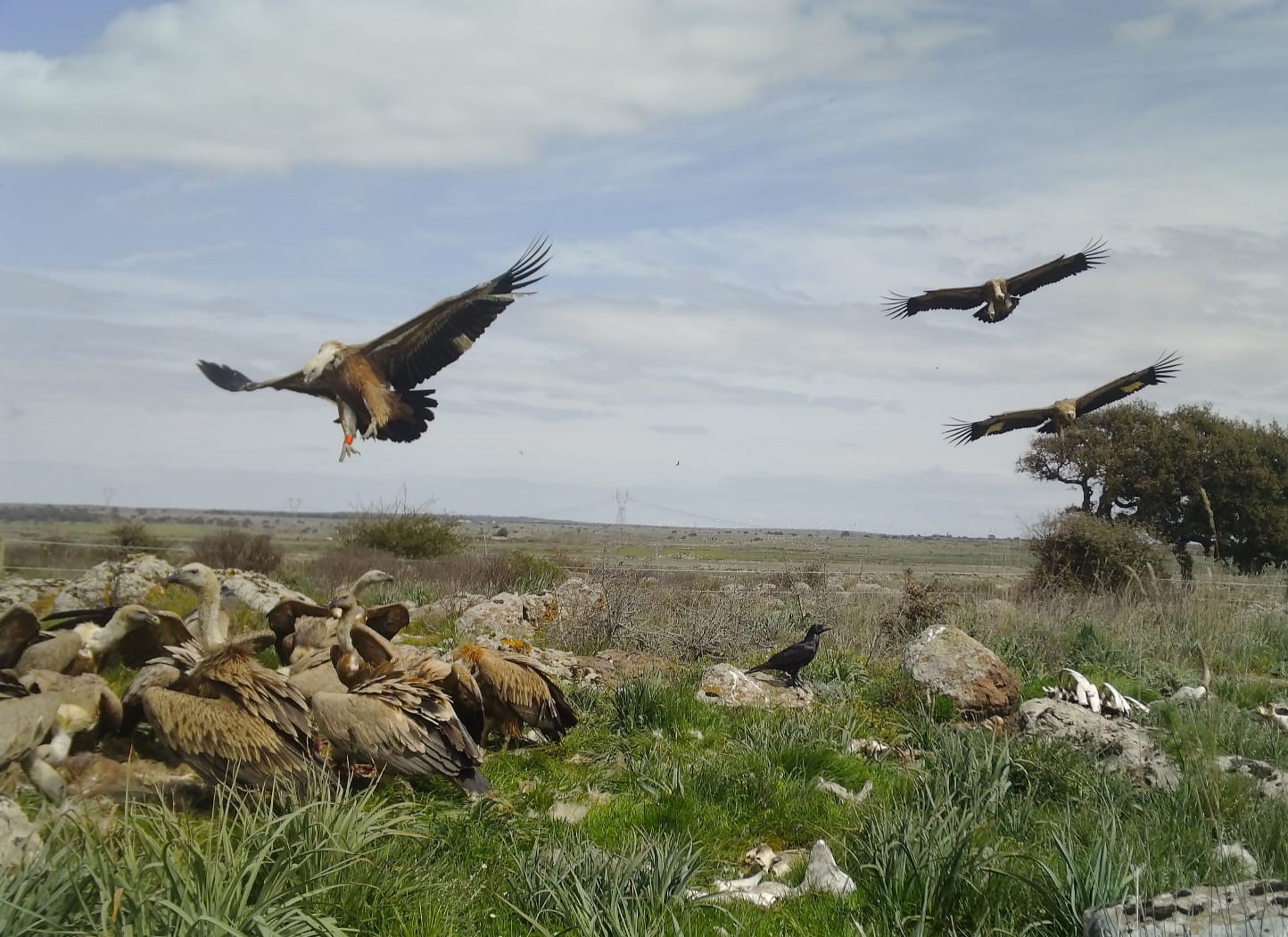
The experience of the farm feeding stations carried out by our project was born to improve the conservation status of the griffon vulture, but allows the breeder to dispose of SOA (By-product of Animal Origin) in his farm. Thanks to the collaboration of the Region of Sardinia, which has regulated the matter with two different determinations, our island was the first in Italy where in some areas a derogation to the EU regulations on the disposal of so-called ABPs has been obtained: by law the carcass of an animal is an ABP that must be disposed of in the ways described by the European Union Regulations n. 1069 of 2009 and 142 of 2011. So much so that the abandonment of carcasses is considered an environmental crime pursued by Legislative Decree 186 of 1 October 2012, with severe administrative fines.
The custom of leaving dead animals in the field remains widespread in several areas of Sardinia. This is an illegal practice which, despite the fact that over time it has been an action to mitigate the food shortage suffered by the griffon vulture, has consequences both for public health and for the conservation of the species itself.
The abandoned carcass can pollute a waterway, or become food for stray dogs and other harmful species, which can carry the zoonosis. There are also no guarantees about the healthiness of the dead animal left in the field: the carcass may have previously been treated with veterinary drugs toxic to Griffon vulture. In other parts of the world, for example in India, the use of Diclofenac on farm animals has led to the near extinction of the species.
With the activation of carnai, it has been possible to restore and enhance the ecosystem services that griffon vultures have always performed in the Sardinian countryside. It has been shown how waste does not exist in Nature and how today, in addition to services in terms of nutrient recycling and carcass disposal, it is also possible to think about the economic benefits.
Thanks to this opportunity, the farmer is in a position to follow the authorization process by notifying the veterinary services in good time and saving on disposal costs. This measure reduces the possibility of transfer of transmissible diseases from one farm to another: often the outbreak of epidemics is related to the transport of carcasses acting as mechanical agents.
But that's not enough, because with farm feeding stations the special waste carcass becomes a meal for griffon vultures and then an attraction for photographers and birdwatchers. The growing demand to photograph in natural contexts where symbolic species such as the Griffon vulture are present, can become one of the expressions of eco-tourism in Sardinia. And the breeder, by providing a photographic hut or an observation space, can add an additional service that can produce an economic return.
Finally, the farm's carter has a positive impact on other populations of necrophagous such as the Egyptian Egyptian vulture, as well as the kite, the eagle, the buzzard and the marsh harrier, who, despite being optional necrophagous, do not disdain "a ready and healthy meal".